What Is a Laptop?
Most people describe a laptop as a “portable computer,” but in today’s Pakistan, it represents something much bigger. A laptop is a workspace you can fold, a classroom you can carry, an earning machine you can build your career on, and a tool that helps you learn, create, and stay connected. It is one device that brings productivity, communication, education, and opportunity together in one place.
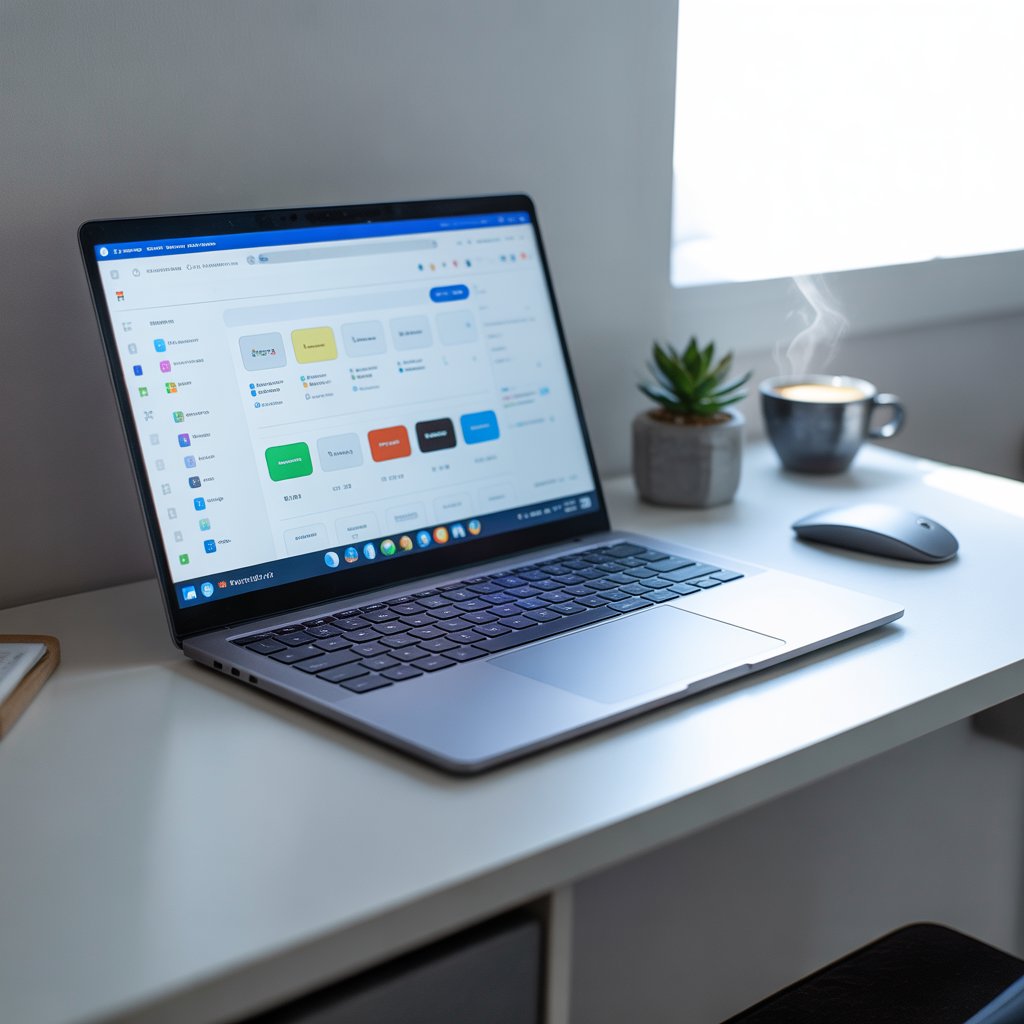
In simple terms, a laptop is an all-in-one personal computer with a screen, keyboard, touchpad, processor, battery, and storage built into a single foldable body. You can work from your home, your hostel, your office, or a café — without depending on a fixed setup. If you’re planning to buy your first device or compare updated models, you can explore the latest laptop price in Pakistan on Mega.pk to choose the right option for your needs.
But to truly understand what a laptop is, you must understand how it fits into real life, not just the technical definition behind it.
Why a Laptop Matters in Pakistan’s Daily Life
In Pakistan, the meaning of a laptop is shaped by everyday needs. A student uses it for online classes, assignments, research, and presentations. A freelancer uses it to design graphics, edit videos, write content, or manage digital clients. Office workers rely on it for reports, meetings, planning, and communication. Families use it for entertainment, online shopping, banking, and staying connected.
Our digital world runs on flexibility. With online education, remote jobs, freelancing platforms, and digital payments becoming normal, a laptop has become a necessity. It connects you to opportunities, skills, and people — wherever you are. Depending on what you use a laptop for, you can browse different categories and compare the latest laptops in Pakistan available at Mega.pk.
Why Most People Prefer Laptops Over Desktops
A desktop keeps you fixed in one place. A laptop moves with you.
In Pakistan, where electricity issues, shared spaces, and flexible study/work environments are common, portability is a major advantage. A laptop’s battery keeps you working during load-shedding. Its lightweight body lets you carry it between rooms, campuses, or offices. And because everything is built into one device, you don’t need a separate monitor, table, or power source.
For most people here, a laptop simply fits life better than a desktop.
How a Laptop Supports Everyday Work
You don’t need to understand complex technology to use a laptop. Think of it simply:
It has a “brain” that processes your work. It has short-term memory that keeps everything smooth when you switch between apps. It has long-term memory where your files stay. It has a battery that lets you work anywhere. And it has a screen and keyboard that make it easy to study, browse, learn, and communicate.
This simple structure makes laptops user-friendly for beginners and dependable for professionals.
How Pakistanis Use Laptops in Real Life
The best way to understand a laptop’s purpose is to look at how people actually use it.
A student logs in to Google Classroom and attends Zoom lectures. A freelancer opens Canva, Figma, or Adobe apps to complete client work. A small business owner uses a laptop to create invoices, manage stock, and run marketing campaigns. A family uses it to stream dramas, pay bills online, and learn skills on YouTube.
A laptop becomes a study room, office space, creative studio, entertainment center, and communication device — all at once.
Different Types of Laptops and Who They Are For
Although laptops look similar, they serve different needs depending on the user.
Students often need lightweight, reliable laptops. Office workers need stable machines for multitasking. Freelancers require balanced performance for editing, writing, or design. Creators and gamers need powerful laptops that can handle visuals and speed. Travelers and business owners prefer slim models with long battery life.
A Short History: Who First Introduced the Laptop Idea?
The earliest concept of a portable computer appeared in the late 1970s, but the Osborne 1 (released in 1981) is considered one of the first significant portable computers. It was bulky by today’s standards, yet it changed the direction of personal computing by proving that computers didn’t need to stay on a desk.
Over the decades, technology evolved into the slim, powerful laptops we use today — built for mobility, productivity, and convenience.
How Beginners in Pakistan Usually Start Using a Laptop
Most beginners worry that using a laptop will be complicated, but it’s surprisingly easy.
You turn it on, connect to Wi-Fi, create your login, and let it update. Within a day, you learn how to browse, type, save files, and watch tutorials. Within a week, you feel confident with online classes, meetings, typing assignments, and using tools like Google Docs, Zoom, or WhatsApp Web.
The laptop adapts to your comfort level — it grows with your skills as you explore more.
Why Laptops Are Becoming Essential for Pakistan’s Future
Pakistan is rapidly moving toward a digital economy. Freelancing, online shopping, content creation, social media marketing, and remote jobs are creating new opportunities for millions. A laptop is at the center of this transformation.
Its battery helps you stay productive during power outages. Its portability fits our dynamic lifestyle. Its performance supports both simple and advanced tasks. And because nearly all digital skills require a laptop, it has become the foundation of modern careers in Pakistan.
For many people, a laptop represents progress, independence, and stability.
Should You Buy a Laptop? A Simple Guide for Beginners
Before buying, think about what you do, how much work you handle, and what your budget is. A student needs something different from a creator. A freelancer needs more performance than someone who only browses the internet.
Once you understand your role and workload, the next smart step is to compare the best laptop price in Pakistan according to your budget through Mega.pk.
Avoid common mistakes like buying without research, choosing outdated devices, or relying on random suggestions. Focus on what your work requires.
Smart Transition: After Understanding Laptops, Compare Prices
Now that you understand what a laptop is, how it works, and how it fits your lifestyle, your next step is simple: compare your options. You can explore and compare laptop models and updated prices on Mega.pk, one of Pakistan’s most trusted online stores.
A laptop is not just a purchase — it’s an investment in your future.
FAQs
1. What is a laptop in simple words?
A laptop is a portable personal computer you can use anywhere for studying, working, browsing, meetings, or creating content.
2. What is a laptop used for?
People use laptops for online classes, freelancing, office work, communication, design, editing, entertainment, shopping, and learning.
3. Is a laptop necessary for students in Pakistan?
Yes. Assignments, online classes, research, presentations, and skill-building all require a laptop.
4. Can I use a laptop for freelancing?
Absolutely. Most freelancing skills — writing, editing, design, coding, and marketing — require a laptop to work effectively.
5. Where can I buy a laptop in Pakistan?
You can buy laptops from Mega.pk, one of Pakistan’s most trusted online stores offering updated laptop price in Pakistan, warranty-backed products, and nationwide delivery.
6. Is a laptop better than a mobile phone for work?
Yes. Phones are good for communication, but laptops are essential for studying, writing, designing, editing, coding, and earning.
7. How long does a laptop usually last?
With proper care, most laptops last between 4 to 7 years depending on build quality and usage.
Final Thoughts
A laptop isn’t just a device — it’s a tool that shapes your learning, earning, communication, and personal growth. It supports your education, strengthens your work, and opens doors to digital opportunities. Whether you’re a student, freelancer, employee, or entrepreneur, a laptop becomes part of your everyday life.