Which Laptop Is Best: HP or Dell?
HP works better for comfort and everyday use. Dell works better for durability and long-term use.
People compare HP and Dell because both brands dominate the laptop market. In Pakistan, you see them everywhere, from students to offices. Both brands offer good options, but they feel different in real life. The choice depends on how you work, study, or travel. Specs alone do not decide this. Daily use does. Understanding these differences saves money and regret.
How HP and Dell Approach Laptop Design
HP focuses on comfort and modern design, while Dell focuses on strength and structure. HP laptops usually feel slimmer and lighter. The design looks cleaner and more consumer-friendly. Many people notice the keyboard comfort first. Dell laptops feel more solid when you pick them up. Hinges and frames feel stronger. This difference matters after months of use. Design affects how the laptop feels every single day.
Build Quality and Long-Term Reliability
Dell laptops usually last longer due to stronger build quality. Dell often uses tougher materials, especially in business models. The chassis handles travel and daily movement better. HP uses lighter materials on many models. This helps portability but can show wear earlier. Both brands offer metal builds at higher prices. Rough use favors Dell. Careful use keeps both running well.
Processor Choices and Generations
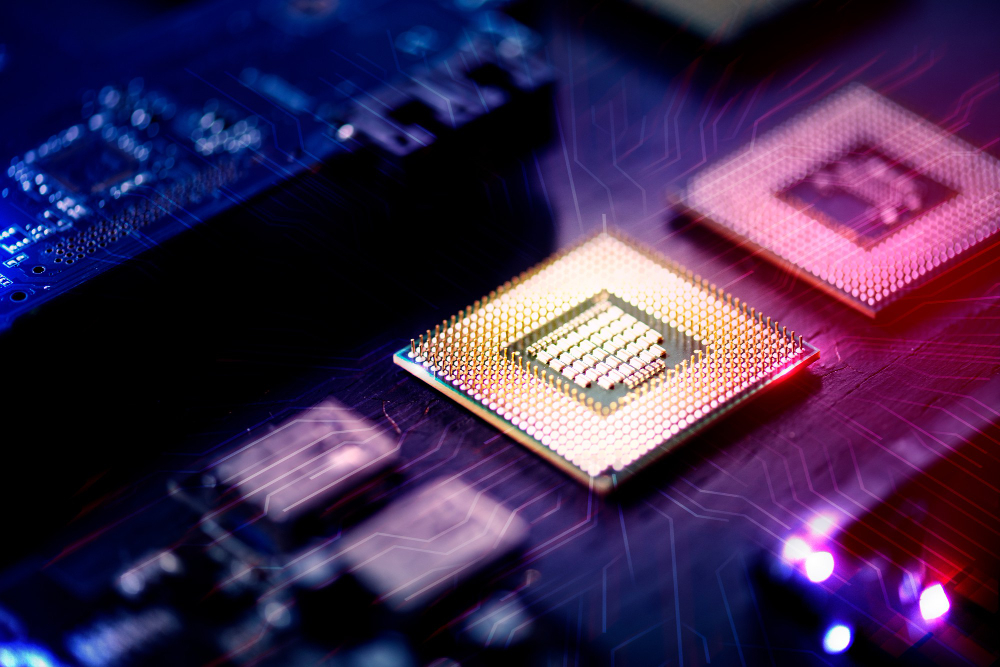
Both brands use the same processors, but performance behavior can differ. HP and Dell both offer Intel Core and AMD Ryzen CPUs. Processor generation matters more than brand. Newer generations feel faster and more efficient. Entry CPUs handle browsing and office work. Mid-range CPUs handle multitasking smoothly. High-end CPUs suit heavy work. Cooling design affects how long performance stays stable.
Real-Life Performance in Daily Tasks
Performance feels similar on paper but different under pressure. Basic tasks run smoothly on both brands. Browsing, documents, and videos feel fast. Dell laptops often handle long workloads better. HP laptops feel quieter during light use. Thermal control makes the difference over time. Sustained work favors Dell. Casual use feels equal.
Graphics Options and Who Needs Them
Integrated graphics suit most people; dedicated graphics suit specific needs. Most HP and Dell laptops use integrated graphics like Intel UHD, Iris Xe, or AMD Radeon. These handle daily tasks and light creative work. Dedicated GPUs from NVIDIA appear in higher-end models. Gamers and designers benefit from these. Office users do not need them. Extra graphics increase cost and heat. Choosing wisely avoids wasted money.
RAM Capacity and Multitasking
More RAM improves comfort more than speed numbers suggest. 8GB RAM works for basic use. 16GB feels smoother for multitasking. Both HP and Dell offer similar RAM options. DDR5 appears in newer models. RAM upgrades matter for long-term use. Some models limit upgrades. Checking this early avoids regret. Multitasking feels easier with enough memory.
Storage Type and Speed
SSD choice affects how fast the laptop feels every day. Both brands offer SSD storage now. NVMe SSDs boot faster and open apps quicker. SATA SSDs still feel much faster than HDDs. Storage speed affects startup and file access. Capacity matters for long-term use. 512GB feels safer than 256GB. Storage upgrades help older systems.
Display Quality and Eye Comfort
HP often offers brighter displays in mid-range models. HP screens usually feel warmer and brighter. This helps with movies and casual creative work. Dell screens feel neutral and sharp. They suit office and spreadsheet work well. Panel type matters more than brand. IPS panels look better than older types. Resolution affects clarity and battery life.
Keyboard and Trackpad Experience
Typing comfort differs more than people expect. HP keyboards feel softer and quieter. Many people prefer them for long typing sessions. Dell keyboards feel firmer and more precise. This suits users who like tactile feedback. Trackpads work well on both brands. Gesture support feels smooth. Comfort depends on personal preference.
Battery Life and Power Efficiency
Battery performance depends on design and usage habits. HP often balances battery life well for students. Dell batteries feel stable over time. Battery size matters more than brand. Newer CPUs improve efficiency. Screen brightness affects backup heavily. Heavy workloads drain faster. Real-life battery depends on how you work.
Cooling System and Heat Control
Dell usually handles heat better during long sessions. Dell laptops often use stronger cooling systems. Fans activate earlier but manage heat well. HP focuses on quieter operation. Heat builds faster under stress. Cooling affects performance and lifespan. Heavy users benefit from better thermals. Light users may never notice.
Price Comparison in Pakistan
HP usually costs less at the entry level; Dell costs more for durability. HP laptops often feel more affordable for students. Dell prices run higher in many cases. Mid-range pricing becomes similar. Import availability changes costs locally. Sales affect pricing often. Comparing specs matters more than logos. The budget decides many choices.
After-Sales Support and Repair Reality
Local support matters more than brand promises. Dell support feels more structured for business users. HP parts are easier to find in local markets. Repair costs often feel lower for HP. Warranty experience depends on the seller. City location matters. Both brands have mixed feedback. Local service quality decides satisfaction.
Best Choice for Students
HP suits students who want comfort and value. Students need lightweight and good battery life. HP often fits this need well. Dell suits technical students who push their systems harder. Engineering and IT workloads favor Dell. Course requirements matter. Budget also plays a role. Both brands can work.
Best Choice for Office Work
Dell suits long office hours and stable workloads. Office laptops stay powered on for many hours. Dell handles this better over time. Cooling and durability help here. HP also works well for office tasks. Screen comfort helps during long days. Reliability matters more than design. Many offices prefer Dell.
Best Choice for Home Use
HP feels more friendly for everyday home use. Home users browse, watch videos, and work lightly. HP displays and design feel pleasant. Setup feels simple. Dell also works fine at home. The difference is feel, not function. HP feels relaxed. Dell feels professional.
Used and Refurbished Laptop Market
Dell holds value better in used condition. Dell business laptops age well. Build quality shows its strength. HP used laptops may show wear earlier. Parts availability helps both brands. Battery condition matters most. Checking usage history helps. Dell often resells easier.
Technical Comparison Table
| Feature | HP Laptops | Dell Laptops |
| Build quality | Light and modern | Strong and durable |
| Cooling | Quiet, moderate | Better heat control |
| CPU performance | Good for daily use | Strong under load |
| Graphics | Mostly integrated | More GPU options |
| Display | Brighter mid-range | Neutral and sharp |
| Keyboard | Soft and comfortable | Firm and precise |
| Upgrade options | Limited on some models | Better on business lines |
| Used value | Moderate | Higher |
Which brand is better for long-term use?
Dell often suits long-term use because the build feels stronger over time. Business models handle wear better. HP still lasts well with careful handling. Usage habits matter a lot. Heavy workloads favor Dell. Light use keeps both fine.
Are HP laptops cheaper than Dell in Pakistan?
HP usually costs less in lower price ranges. This attracts students and budget buyers. Dell prices feel higher due to build quality. Mid-range prices often overlap. Market supply changes costs often. Comparing specs always helps.
Is Dell better than HP for gaming?
Dell gaming models often handle heat better. Dedicated GPUs perform more consistently. HP gaming laptops still perform well. Cooling design makes the difference. Casual gaming works on both. Serious gaming favors stronger thermals.
Can HP laptops handle office work well?
HP laptops handle office work easily. Daily tasks run smoothly. Comfort helps during long hours. Dell still feels more stable under pressure. Office needs differ by role. Both brands support office software well.
Which brand is better for first-time buyers?
HP often feels easier for first-time buyers. Setup feels simple. Pricing feels friendly. Dell suits buyers who want long-term reliability. Both brands work fine. The right choice depends on expectations. Comfort versus durability decides it.